
Enviar a
CERCADO DE LIMA, Lima
Selecciona tu ubicación
Los costos de envío se calcularán en base a esta dirección en todo el sitio.
Los costos de envío se calcularán en base a esta dirección en todo el sitio.
Selecciona tu país
América
Argentina
Brasil
Canadá
Chile
Colombia
Costa Rica
Ecuador
El Salvador
Estados Unidos
México
Perú
República Dominicana
Uruguay
Europa
Alemania
Austria
Bélgica
Croacia
Dinamarca
Eslovaquia
Eslovenia
España
Finlandia
Francia
Grecia
Hungría
Irlanda
Italia
Letonia
Malta
Noruega
Países Bajos
Polonia
Portugal
Reino Unido
República Checa
Serbia
Suecia
Suiza
Resto del mundo
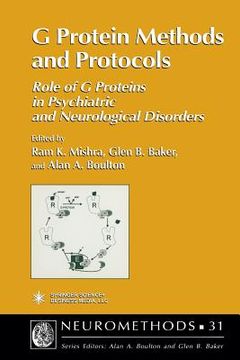
G Protein Methods and Protocols: Role of G Proteins in Psychiatric and Neurological Disorders (en Inglés)
Mishra, Ram K. ; Baker, Glen B. ; Boulton, Alan A.
G Protein Methods and Protocols: Role of G Proteins in Psychiatric and Neurological Disorders (en Inglés)
Mishra, Ram K. ; Baker, Glen B. ; Boulton, Alan A. (Autor) · Humana · Tapa Blanda
Quedan 100 unidades
S/ 536,74G Protein Methods and Protocols: Role of G Proteins in Psychiatric and Neurological Disorders (en Inglés)
Mishra, Ram K. ; Baker, Glen B. ; Boulton, Alan A.
¿Tienes una pregunta sobre el libro? Inicia sesión para poder agregar tu propia pregunta.