Últimos días FIL Lima 2026 ¡Hasta 50% OFF!  Ver más

Enviar a
CERCADO DE LIMA, Lima
0
  • argentina
  • chile
  • colombia
  • españa
  • méxico
  • perú
  • estados unidos
  • internacional

Selecciona tu país

América

Europa

Resto del mundo

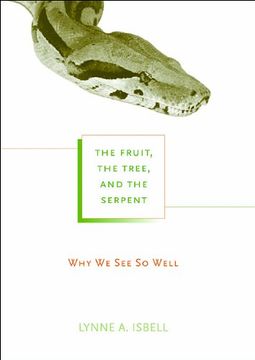
portada The Fruit, the Tree, and the Serpent: Why we see so Well (en Inglés)
Formato
Libro Físico
Año
2011
Idioma
Inglés
N° páginas
224
Encuadernación
Tapa Blanda
ISBN13
9780674061965
Categorías

The Fruit, the Tree, and the Serpent: Why we see so Well (en Inglés)

Lynne A. Isbell (Autor) · Harvard University Press · Tapa Blanda

The Fruit, the Tree, and the Serpent: Why we see so Well (en Inglés) - Lynne A. Isbell

Libro Nuevo Importado
Envío: 16 a 21 días háb.
S/ 282,29S/ 127,03
-55%
Costos de importación incluídos en el precio ✅
Libro Nuevo

Quedan 100 unidades

S/ 127,03
Llega entre el 31 Ago y el 08 Sep a CERCADO DE LIMA, Lima. Seleccionar ubicación

Reseña del libro "The Fruit, the Tree, and the Serpent: Why we see so Well (en Inglés)"

From the temptation of Eve to the venomous murder of the mighty Thor, the serpent appears throughout time and cultures as a figure of mischief and misery. The worldwide prominence of snakes in religion, myth, and folklore underscores our deep connection to the serpent-but why, when so few of us have firsthand experience? The surprising answer, this book suggests, lies in the singular impact of snakes on primate evolution. Predation pressure from snakes, Lynne Isbell tells us, is ultimately responsible for the superior vision and large brains of primates-and for a critical aspect of human evolution. Drawing on extensive research, Isbell further speculates how snakes could have influenced the development of a distinctively human behavior: our ability to point for the purpose of directing attention. A social activity (no one points when alone) dependent on fast and accurate localization, pointing would have reduced deadly snake bites among our hominin ancestors. It might have also figured in later human behavior: snakes, this book eloquently argues, may well have given bipedal hominins, already equipped with a non-human primate communication system, the evolutionary nudge to point to communicate for social good, a critical step toward the evolution of language, and all that followed.

Opiniones del libro

Preguntas frecuentes sobre el libro

Todos los libros de nuestro catálogo son Originales.
El libro está escrito en Inglés.
La encuadernación de esta edición es Tapa Blanda.

Preguntas y respuestas sobre el libro

¿Tienes una pregunta sobre el libro? Inicia sesión para poder agregar tu propia pregunta.

Opiniones sobre Buscalibre

Ver más opiniones de clientes